
Start writing here...
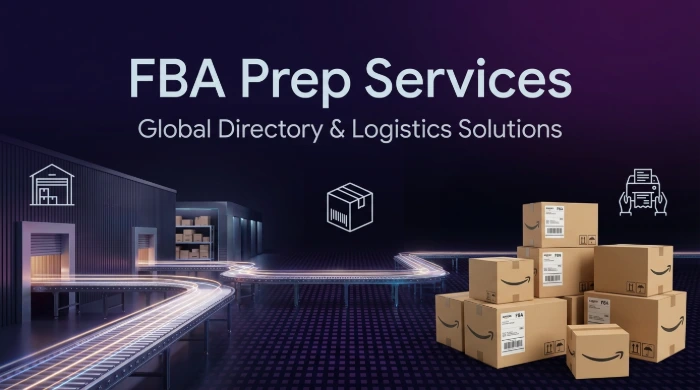
The Operational Reality: Why Amazon is Shifting the Burden
The Financial and Structural Risks of Non-Compliance
If a seller attempts to bypass these guidelines and ships unprepared inventory into an Amazon US facility, the automated scanning mechanisms will flag the inbound shipment. Amazon’s updated fee schedules include steep penalties under the "Inbound Defect Fees" and "Unplanned Prep Services" brackets.
- Inbound Defect Penalties: If your items arrive without proper, scannable barcodes or required packaging, Amazon will charge a premium per-unit penalty to correct the error manually.
- Shipment Rejections: In severe cases, or for repeat offenders, Amazon reserves the right to reject the entire freight consignment at the warehouse gates, forcing the carrier to return the goods at the seller's immense expense.
- Performance Metric Degradation: Every inbound failure lowers your Inbound Performance Health rating, directly restricting your future storage capacity and restock limits.
Tactical Solutions: How International Sellers Must Pivot
To safeguard your digital assets and maintain a healthy, operational Amazon FBA storefront from Pakistan, you must adopt one of the following institutional-grade supply chain models:
1. Factory-Level Prep Integration (The Cost-Effective Route)
The most profitable solution is to eliminate the need for third-party intervention entirely by shifting the prep work to your manufacturing source. Whether you are sourcing apparel from Faisalabad, leather goods from Sialkot, or soccer balls from Lahore, your local manufacturer must integrate Amazon compliance standards directly into their finishing lines.
- Actionable Protocol: Provide your factory manager with the precise PDF layouts of your FNSKU labels. Mandate the use of high-quality thermal printers (such as Zebra or Rollo) to ensure barcodes do not smudge during maritime transit. Provide clear blueprints for suffocation warning labels on poly-bags and precise box-weight thresholds.
2. The 3PL (Third-Party Logistics) Middleware Strategy
If your local factory cannot meet the technical requirements of Amazon FBA prep, or if you are utilizing multi-supplier consolidation, you must partner with a domestic 3PL warehouse situated within the United States market.
Under this blueprint, your freight moves from Pakistan directly to a US-based independent warehouse. The 3PL team receives your pallets, inspects the cargo for transit damage, applies the required FNSKU labels, packs them into compliant shipping boxes, and creates a domestic UPS or LTL (Less-Than-Truckload) shipment to send the inventory into Amazon’s network. While this adds a layer of operational cost, it provides an absolute guarantee of 100% inbound compliance.
Technical Checklist for Flawless Inbound Shipments
As you audit your digital supply chain under UX Setup workflows, ensure your logistics team adheres to this baseline checklist before sealing any cargo container:
- Barcode Precision: Every single unit must have a single, visible, scannable FNSKU barcode covering any existing retail UPC/EAN symbols.
- Poly-Bag Protocols: Any poly-bag with an opening of 5 inches or greater must prominently display a legible Suffocation Warning label, either printed directly onto the bag or securely stickered.
- Box Weight Compliance: In the US network, standard boxes must not exceed 50 lbs (22.6 kg) unless they contain a single oversized item that exceeds that weight on its own. Boxes over 50 lbs require a clear "Team Lift" warning sticker.
- Palletization Standards: If shipping via sea freight, utilize standard 4-way entry wooden pallets (40 x 48 inches) with clear GMA Grade A or B certification, wrapped securely in clear stretch wrap.
Conclusion: Digital Standardization Wins
Amazon’s decision to end internal FBA prep services is not a barrier to entry; it is a filter that separates amateur hobbyists from professional enterprise builders. By taking immediate control of your product preparation, enforcing strict compliance standards at the origin factory, and leveraging robust US-based 3PL networks, you protect your business from costly operational delays.
As part of the UA Group of Companies ecosystem, UX Setup advocates for systemic business automation. Don't look at this change as a restriction—look at it as an opportunity to build a resilient, compliant, and institutionalized cross-border brand that stands the test of algorithmic and corporate changes.